The sage advice to “eat less, move more” makes good sense. But weight loss doesn’t play out the same way for everyone – even when you do everything “right.” For some people, traditional methods work well. For others, progress can be slow or stall completely.
Today, new medications known as GLP-1s (glucagon-like peptide-1s) are changing how health care providers approach weight management by addressing underlying metabolic signals that influence hunger, fullness and blood sugar.
But effective, sustainable weight loss isn’t about trading an old approach for a shiny new one. It’s about understanding the simple metabolic science behind weight loss – and using the tools that work with your body.
More than willpower: Willpower plays a role in healthy habits, but biology also matters. Hormones, metabolism and appetite signals all influence how the body responds to food and weight loss. That’s one reason two people following the same diet and exercise plan may see different results.
What are traditional weight loss methods?
Traditional strategies focus on creating a calorie deficit through nutrition, activity and daily routines. For many people, these approaches are effective and can lead to meaningful, lasting results.
Common examples include:
- Eating nutrient-dense foods and managing portion sizes
- Adding movement, including cardiovascular exercise and strength training
- Building consistent habits around sleep, stress and mindful eating
These strategies support metabolic health while helping the body burn more energy than it takes in. Still, metabolism, hormones and appetite cues can affect how easily a person achieves – and maintains – that balance.
Why does weight loss sometimes slow or plateau?
It’s common for people to experience steady weight loss at first when they improve their diet or increase physical activity. But over time, that progress can slow – or stop all together. Plateaus are a normal part of healthy weight loss – and often one of the most frustrating.
One major reason is metabolic adaptation. As you lose weight, your body needs fewer calories to function. At the same time, metabolism can adjust to conserve energy, making it harder to maintain the same rate of weight loss.
Other contributors include:
- Hormonal shifts: As calorie intake drops, hunger signals may increase while fullness cues decrease, making it harder to stick with the routine that initially worked.
- Old habits creeping back: Small changes in portion sizes, snacking or activity levels can affect progress.
- Increased muscle mass: Strength training can increase lean muscle, which may slow changes on the scale even as your body composition improves.
A little evolutionary background. Our bodies are still wired for the hunter/gather era. Conserving energy helped people survive long stretches between hunts. Today, that same survival mechanism can slow weight loss.
How do GLP-1s work in the body?
GLP-1 is a naturally occurring hormone the body naturally releases after eating. It helps regulate blood sugar, signals the brain that you’re full and slows how quickly food leaves the stomach. GLP-1 medications – like Ozempic®, Wegovy®, Mounjaro® and Zepbound® – mimic or enhance this hormone to support appetite and blood sugar control.
When you take these medications, changes happen gradually:
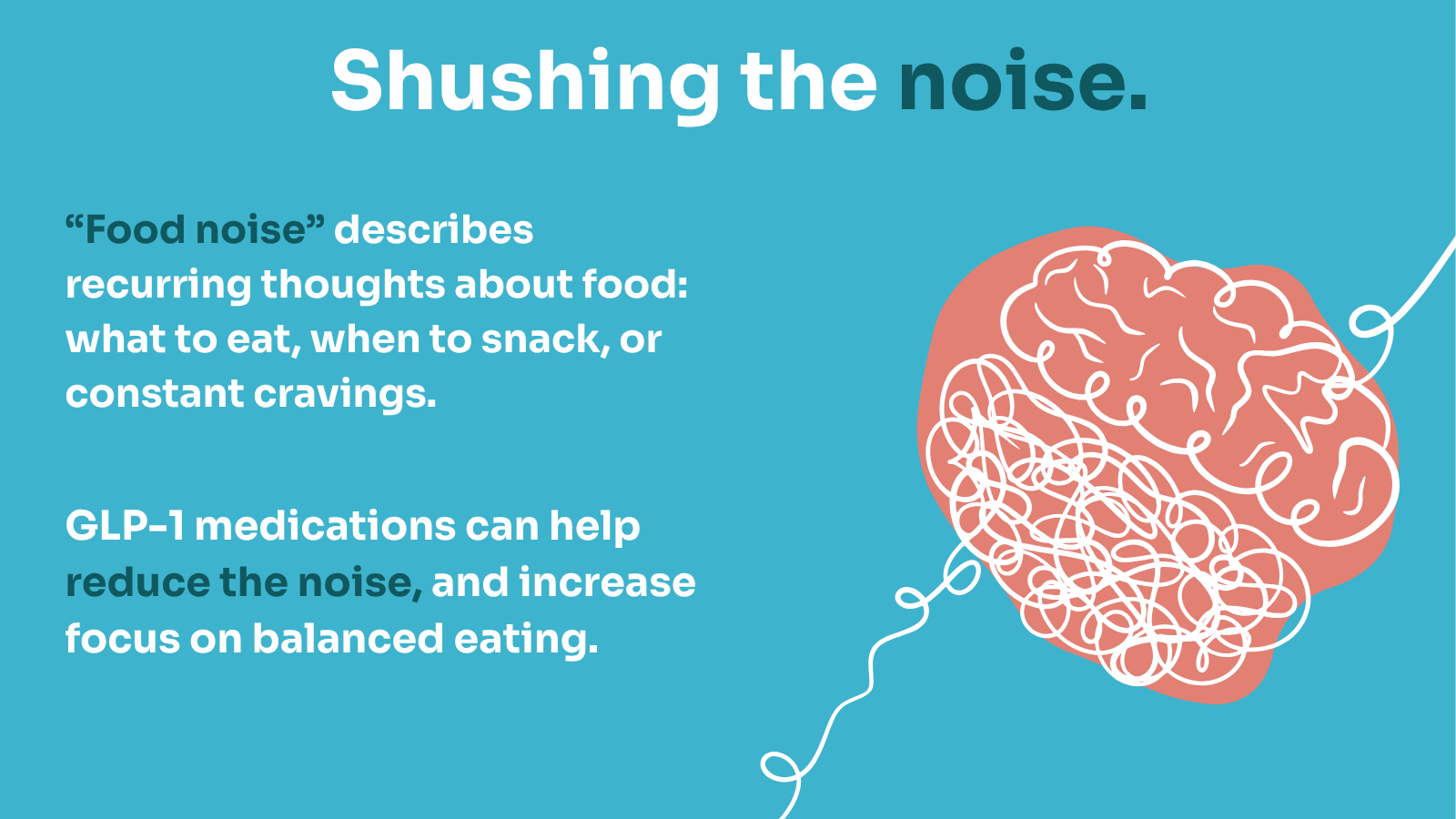
- Fullness signals kick in: The brain registers satisfaction sooner, making it easier to manage portions and cravings.
- Dosing increases gradually: Treatment begins with a low dose and steps up slowly so the body has time to adjust.
- Shifting eating patterns: Over time, appetite and habits stabilize, supporting steady, sustainable weight loss.
Who benefits most from GLP-1 medications?
GLP-1s are often recommended for individuals whose metabolism, appetite signals or health conditions make weight management especially challenging.
Candidates may include those who:
- Struggle to lose weight despite consistent efforts diet and exercise efforts
- Experience strong hunger signals or persistent cravings
- Have metabolic conditions, such as insulin resistance or type 2 diabetes
- Are looking for medically supervised support for long-term weight management
A health care clinician can help determine if GLP-1 medications are right for you based on your medical history and health goals.
How can I get the best results when using GLP-1s?
GLP-1s are a powerful tool for weight management, but they don’t replace healthy habits. They work best alongside strategies that support metabolism and overall health:
- Focus on balanced nutrition with whole foods, lean proteins and fiber-rich meals
- Stay active, including cardio and strength training
- Prioritize sleep and stress management
- Work with a health care clinician to monitor progress and adjust treatment as needed
Indigo makes healthy weight loss easier
Getting started with GLP-1 medications doesn’t have to be complicated. At Indigo Urgent Care, medically supervised weight management is easier to access, easier to manage and tailored to work with your body.
With Indigo, you can expect:
- Same-day or next-day virtual visits: Meet with a local provider quickly – with no long wait times.
- No membership fees or subscriptions: Pay only for the care you need, when you need it.
- Trusted, local clinicians and pharmacies. Your care is connected to MultiCare Health System.
- FDA-approved medications, including pills. We prescribe only safe, clinically proven treatments.
- Flexible payment options. Indigo accepts most insurance plans and offers $99 self-pay visits.
If GLP-1s are a good option for you, getting started is simple at Indigo:
- Schedule a Virtual Care appointment
- Meet with a clinician for evaluation
- Create a personalized treatment plan
- Receive your GLP-1 medication from the pharmacy of your choice