When your little one has the sniffles, a cough that won’t quit or starts to make a whistling sound when they breathe, it’s natural to worry – and hard to know what’s normal and when they might need a little extra care.
RSV (respiratory syncytial virus) is a common illness that usually causes mild, cold-like symptoms. But in babies and young children, it can sometimes lead to more serious breathing problems. Knowing what to watch for, which home treatments may ease their discomfort and when to seek care can help you feel more confident when your child isn’t feeling their best.
What is RSV?
RSV is a contagious respiratory virus that commonly circulates during the fall and winter months. Most children will have at least one RSV infection by age 2, and many recover with rest and care at home.
Symptoms can start out looking like a typical cold, including:
- Runny or stuffy nose
- Coughing and sneezing
- Fever
- Decreased appetite
- Wheezing or noisy breathing
In some young children, RSV causes bronchiolitis, an infection that inflames the small airways in the lungs. Swelling and mucus can make it harder for air to move through these airways, sometimes causing wheezing, rapid breathing or increased effort with each breath.
RSV can also cause croup, an illness that affects the upper airways around the larynx and trachea. Croup can cause a barking cough, hoarseness and a harsh, high-pitched sound when breathing in.
RSV symptoms may get worse a few days into the illness before they begin to improve. Very young infants, children born prematurely and children with certain underlying health conditions are at greater risk of severe illness.
Not just for babies. While RSV is most common in infants and toddlers, it can still affect older kids and adults, too. For school-age kids, it can mean missed school, lingering coughs and, in some cases, a trip to urgent care. For older adults, RSV can cause serious complications, including pneumonia and respiratory failure. Learn more about RSV signs and symptoms and how to stay safe.
Does RSV require a nebulizer?
A nebulizer is a device that turns liquid medication into a fine mist your child can inhale through a mask or mouthpiece. Some medications delivered through a nebulizer an help open narrowed airways.
But a nebulizer isn’t always needed for RSV. Here’s what parents should know:
- A nebulizer doesn’t treat RSV itself. While wheezing can be a symptom of RSV, it doesn't automatically mean your child needs breathing treatments.
- Albuterol usually isn’t recommended for RSV bronchiolitis. Albuterol helps open narrowed airways, but it hasn’t consistently been shown to make much difference in how children recover from typical RSV bronchiolitis. Treatment usually focuses on keeping your child comfortable and hydrated while their body fights the infection.
- Albuterol isn’t recommended for croup. Albuterol works on the lower airways, while croup causes swelling in the upper airway. Using albuterol for croup can worsen upper-airway swelling. Croup may require a different medication, depending on the severity of symptoms.
- Some children may need nebulized medication for another condition. For example, children with asthma may benefit from breathing treatments. A health care provider can evaluate your child's symptoms and medical history to determine whether a breathing treatment is appropriate.
How do I use a nebulizer?
If a health care provider prescribes a nebulizer treatment for your child, they'll explain which medication to use, how much to give and how often to give it. Follow those instructions carefully along with the device manufacturer's directions.
While equipment can vary, these general steps can help:
- Wash your hands. Clean hands help keep germs out of the equipment.
- Prepare the medication. Use only the medication and dose prescribed for your child. Place it in the nebulizer cup as directed.
- Position the mask or mouthpiece. A properly fitted mask is often easiest for younger children. Keep it snug over the nose and mouth.
- Turn on the device. Have your child breathe normally as the medication mist is delivered. Stay with them throughout the treatment.
- Finish the treatment. Continue until the medication is delivered according to the device's instructions.
- Clean the equipment. Follow the manufacturer's cleaning and storage directions to help prevent contamination.
A few helpful reminders for parents:
- Never add water, essential oils or other substances to the nebulizer unless specifically instructed by a health care professional.
- Don't share nebulizer masks or other personal equipment.
- If you’re unsure how to use the device, ask your child's provider or pharmacist to demonstrate the process.
If your child is struggling to breathe, seek emergency medical care rather than relying on a nebulizer treatment.
How can I help my child feel better at home?
For children with mild RSV symptoms, a little extra care at home can go a long way. Here are a few ways to help them feel more comfortable:
- Offer fluids often. Smaller, more frequent feedings may be easier for babies who are congested.
- Help clear a stuffy nose. Saline nose drops and gentle suction can help babies breathe more comfortably, especially before feeding.
- Try a cool-mist humidifier. It may help ease coughing and congestion, especially when the air is dry. Clean it regularly according to the manufacturer’s directions to prevent mold and bacteria buildup. Avoid warm-mist humidifiers, which can cause burns.
- Let them rest. Extra sleep and quiet activities can help while they recover.
- Manage fever and discomfort. Ask your child's health care provider or pharmacist which fever-reducing medication is appropriate for their age and weight. Never give aspirin to children.
- Avoid over-the-counter cough and cold medicines in young children unless a health care professional recommends them. Some products aren’t safe for little ones.
Keep an eye on your child's breathing, fluid intake and wet diapers. Symptoms can change over the course of an RSV infection, so continue monitoring even if your child initially seems to have only a mild cold.
When should a child with RSV be seen by a provider?
Trust your gut. If your child seems worse than you'd expect with a typical cold, is breathing differently or isn't drinking as much as usual, it's worth getting medical advice.
Consider having your child evaluated if they:
- Have a persistent or worsening cough or wheezing
- Are breathing faster than usual
- Are eating or drinking less than normal
- Have fewer wet diapers or are urinating less often
- Have a fever or symptoms that are getting worse instead of better
- Are very young, were born prematurely or have an underlying heart, lung or immune system condition
When should my child get emergency medical care?
Most kids with RSV recover at home, but breathing problems can sometimes become serious.
Call 911 if your child is struggling to breathe, has blue or gray lips or face, or is unresponsive. Seek emergency medical care right away if your child:
- Is gasping or breathing very rapidly
- Has skin pulling in around or beneath the ribs with each breath
- Has pauses in breathing
- Is unusually difficult to wake or is not responding normally
- Shows signs of severe dehydration
- Is younger than 3 months and has a rectal temperature of 100.4°F or higher
Can urgent care evaluate RSV symptoms?
Urgent care can evaluate many respiratory symptoms in children, including coughing, congestion, fever and wheezing when symptoms aren’t severe enough to require emergency care.
During a visit, a clinician may:
- Ask about your child's symptoms, when they started and whether they're getting worse
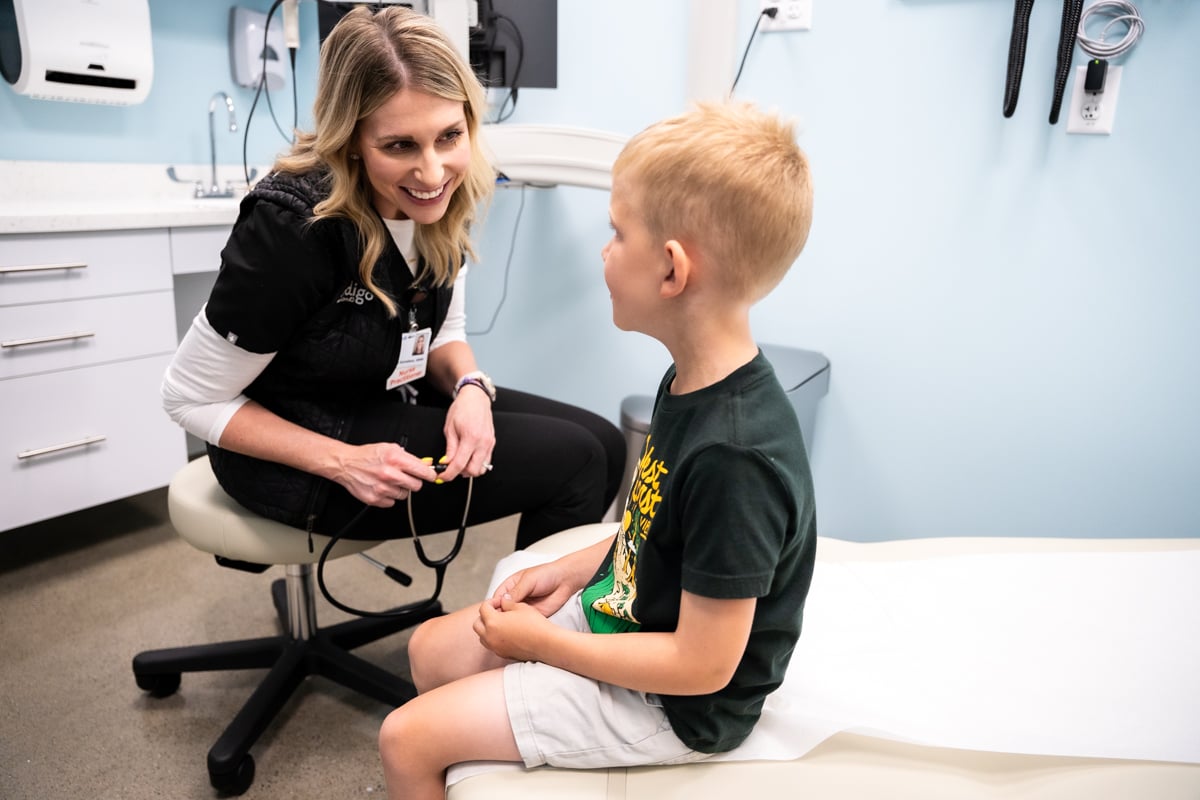
- Listen to your child's lungs and assess their breathing effort
- Check oxygen levels and hydration when appropriate
- Determine whether RSV testing or other tests may be useful
- Recommend supportive care, explain whether medication may help and discuss what to watch for at home
Routine RSV testing is not always necessary. Clinicians can often assess respiratory illnesses based on a child's symptoms and physical examination, and testing may not change the treatment plan.
Indigo is here when your kiddo needs care
If you suspect your child has RSV, croup or another respiratory illness, don't wait for symptoms to become severe before seeking medical advice. At Indigo Urgent Care, one of our clinicians can evaluate your child, help determine what may be causing their symptoms and advise whether a nebulizer treatment or other medication is appropriate.
Walk into any of Indigo’s neighborhood clinics or book an appointment online. Same-day and next-day openings are available.
And when getting to the clinic isn’t convenient, Indigo Virtual Care is a great way to connect face-to-face with a clinician from the comfort of home.
In person and virtually, we’re here from 8 am to 8 pm, including weekends and holidays.