Cue the sunglasses – and the sunscreen. It’s finally summer in the Pacific Northwest, and brighter skies mean more time outdoors and more exposure to ultraviolet (UV) rays.
It’s also a good time to pay closer attention to daily sun exposure. Understanding the UV index can help take some of the guesswork out of sun safety and help you protect your skin year-round.
What do UV index levels mean?
The UV index is a scale that measures the strength of ultraviolet (UV) radiation from the sun at a given time and location. The higher the number, the stronger the UV rays – and the faster your skin can be damaged.
The UV index was developed by environmental and weather agencies using risk factors like the sun’s position in the sky, cloud cover and ozone levels that can affect how much UV radiation reaches the ground.
The UV index ranges from 1 to 11+ and includes guidance for sun protection:
- 1–2 (low):Minimal risk. Basic sun protection is usually enough.
- 3–5 (moderate):Sun protection is recommended, especially during midday hours.
- 6–7 (high):Sunburn can happen quickly. Protection is important.
- 8–10 (very high):Unprotected skin can burn in minutes. Extra precautions needed.
- 11+ (extreme):Very high risk of harm from unprotected sun exposure.
You can check your daily UV index in your phone’s weather app, dedicated sun-safety apps, and through the EPA.
Try the shadow rule. A simple way to gauge UV strength: check your shadow. If it’s shorter than you, UV rays are typically strongest, and it’s a good time to be extra careful with sun protection. If it’s longer, UV exposure is typically lower – but still present.
How do UV levels affect your skin?
UV radiation affects the skin in both the short and long term.
In the short term, overexposure can lead to sunburn. This happens when UV rays damage skin cells, causing redness, pain, warmth and sometimes blistering.
It’s important to know that sun damage doesn’t always feel immediate. It often takes hours for redness, warmth and pain to fully appear, and skin can still be affected even when you don’t feel like you’re burning.
Does a low UV index mean I won’t get a sunburn?
A lower UV index means lower risk – but not zero risk.
Sunburn is still possible, especially if you:
- Spend long periods outdoors
- Have fair or sensitive skin
- Are near reflective surfaces like water, sand or snow
- Are higher elevations
UV rays can also penetrate clouds, meaning sun exposure is still possible on overcast days. The UV index is a helpful guide, but it shouldn’t be your only sun-safety tool.
UV safety isn’t just a summer thing. Even on cool or cloudy days, UV rays can still be strong enough to damage skin. (We’re looking at you, June.) Checking the UV index daily can help protect your skin year-round – not just during summer months.
How can I protect myself from sunburn?
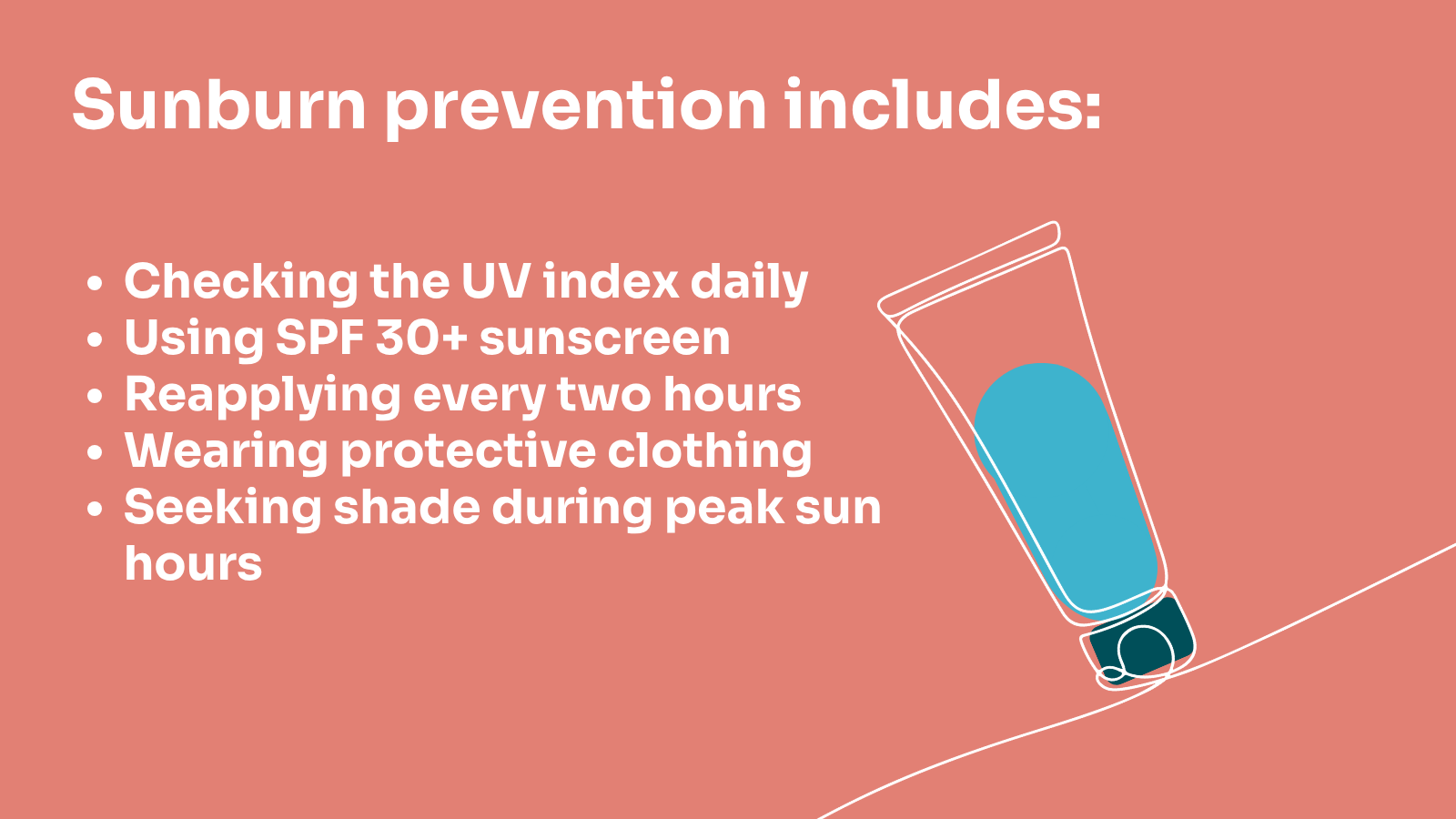
The best sunburn prevention starts with checking your daily UV index and building a few additional habits into your routine before heading outdoors:
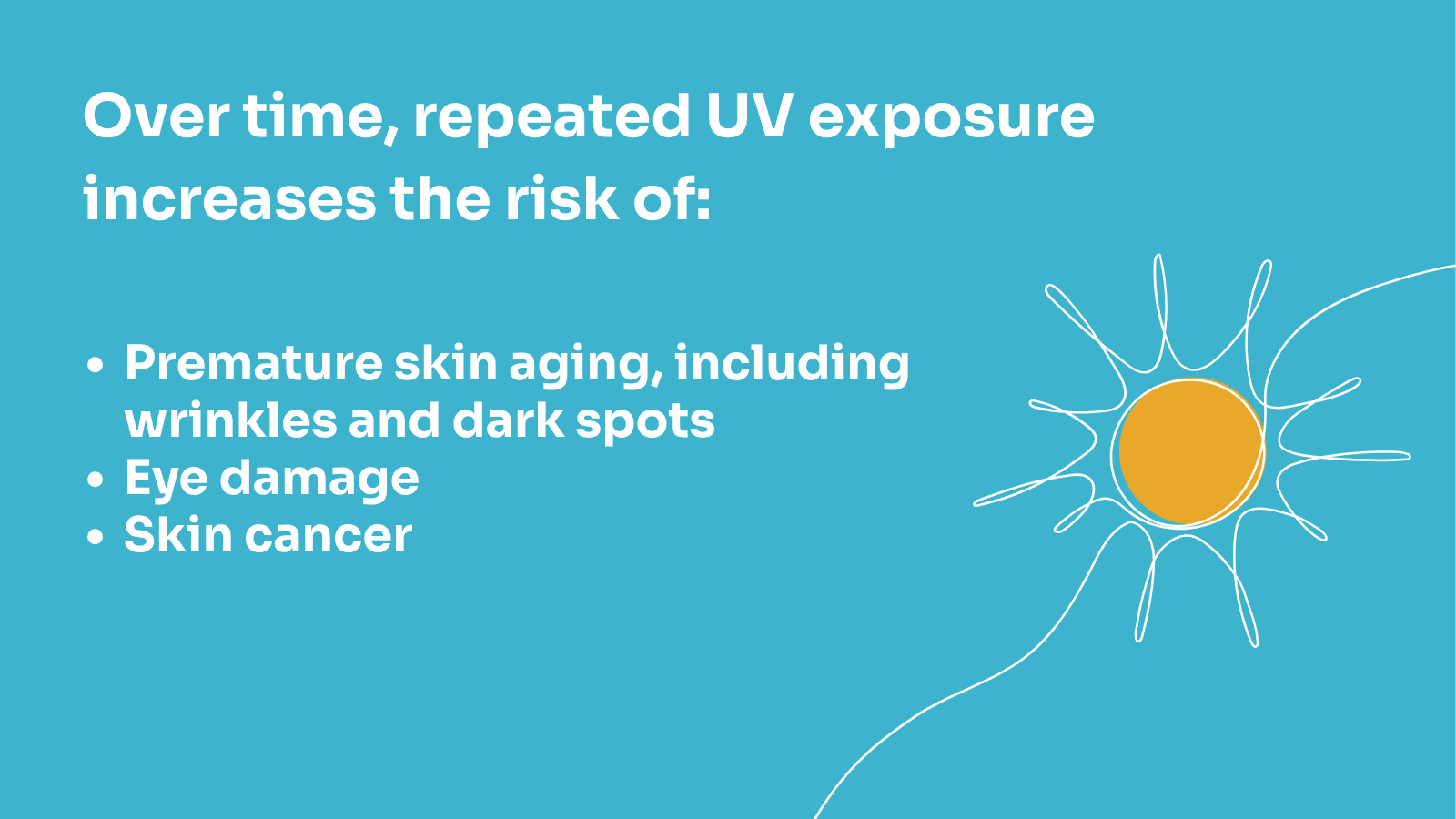
Don’t rely on sunburn for vitamin D. UV exposure from the sun and tanning beds increases the risk of skin cancer. The American Academy of Dermatology recommends avoiding intentional sun exposure for vitamin D. Most people can meet their needs through a balanced diet and vitamin D-rich foods or supplements.
Is my sunburn serious?
Sunburn can range from mild to severe, and symptoms may worsen in the hours after exposure.
Mild sunburn symptoms may include:
- Redness
- Tenderness
- Mild swelling
More serious sunburn may involve:
- Blistering
- Significant pain
- Fever, chills or nausea
In general, sunburn is more likely to be serious if symptoms are intense, worsening or interfere with sleep and daily activities.
When should I seek medical care for a sunburn?
Most mild sunburns improve with at-home care, including hydration, cooling compresses and over-the-counter pain relief. But some may need medical attention.
You should seek medical care if you experience:
- Large or widespread blistering
- Severe pain that doesn’t improve with medication
- Fever, chills or dizziness
- Signs of dehydration (dark urine, extreme thirst, weakness)
- Sunburn covering a large area of the body
- Swelling in the face or hands
- Signs of infection (increasing redness, warmth or pus)
- When in doubt, it’s always better to get checked.
Feeling the burn? Indigo Urgent Care can help
If a sunburn is causing more than a little discomfort – or symptoms that aren’t improving – it may be time to seek care. Early treatment can help reduce complications and speed healing.
Our Indigo Urgent Care clinicians can evaluate the severity of your burn, check for complications like dehydration or infection, and recommend the right treatment to help you heal. Care may include pain relief, IV fluids for dehydration, wound care for blisters, and treatment for infection if needed.
And you don’t need to wait to get the care you need. Walk into one of our neighborhood Indigo locations, reserve a same-day or next-day spot online, or see a clinician from home through Indigo Virtual Care.
In person or online, we’re here from 8 a.m. to 8 p.m. every day – rain or shine.