Minor Fractures
A minor fracture is a break or crack in a bone that may cause pain, swelling, and difficulty moving the injured area. Some fractures, including hairline fractures, can be difficult to recognize without medical evaluation and imaging.
What causes a fracture?
Minor fractures occur when a bone experiences more force than it can withstand, often during a fall, sports injury, or accident. Common causes include:
- Falls or direct impacts
- Sports and recreational injuries
- Motor vehicle accidents
- Repetitive stress or overuse

How do I know if I have a fracture?
A minor fracture may cause localized pain that worsens with movement, pressure, or putting weight on the injured area. Common signs of a possible bone fracture include:
- Pain or tenderness
- Swelling or bruising
- Difficulty moving the injured area or bearing weight
- A cracking sensation or sound at the time of injury
- Visible deformity in more serious cases

Should I visit urgent care?
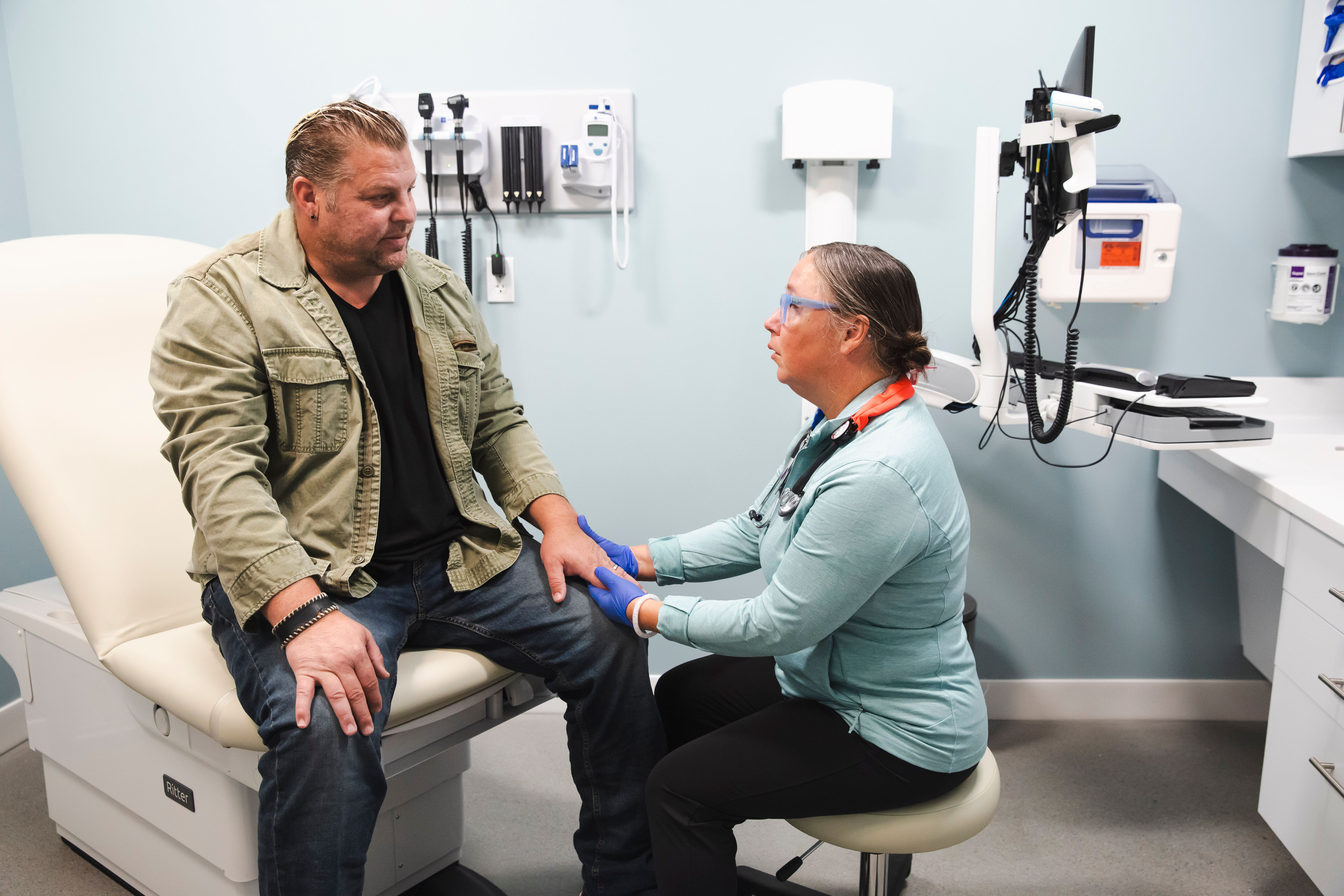
If you suspect a minor fracture, seek medical evaluation to determine the extent of the injury and the right treatment. Indigo Urgent Care can evaluate many minor bone injuries and offers onsite X-rays at every location.
- Evaluation: A clinician will assess your injury and symptoms.
- Digital X-rays: Imaging helps identify fractures and guide next steps.
- Next steps: Depending on the injury, you may receive initial treatment or a referral for orthopedic or emergency care.

Frequently Asked Questions
A hairline fracture is a small crack in a bone that may cause pain and tenderness without an obvious deformity. These fractures can be difficult to identify without an X-ray or other medical imaging.
It depends on the location and severity of the fracture. Some people can still walk with certain fractures, but doing so may worsen the injury, so it's best to have it evaluated before putting weight on the affected area.
An X-ray is often used to check for a fracture and determine the extent of a bone injury. Every Indigo location offers onsite digital X-rays, and our clinicians can determine if imaging is appropriate based on your symptoms and injury.
Yes! Our clinicians can evaluate many suspected fractures and use onsite digital X-rays to help identify bone injuries. Depending on the type and severity of the fracture, you may need additional imaging or a referral for orthopedic or emergency care.
Treatment depends on the location and severity of the fracture. Some injuries may require a splint, cast, or activity restrictions, while others need additional orthopedic evaluation and follow-up care.
Many minor fractures take about 6–8 weeks to heal, although recovery time varies depending on the bone involved, the severity of the injury, and your overall health.


Book ahead or walk-in
