If you’re headed for a weekend in the mountains, hiking at elevation, or traveling to a high-altitude destination, altitude sickness can catch you off guard—especially if you’re not prepared.
Altitude sickness can affect anyone, even healthy travelers. And when symptoms hit, they can turn an exciting trip into a miserable one.
With the right preparation, altitude sickness is often preventable.
At Indigo Urgent Care, we make it easy to get care when you need it—including before you travel. If you’re planning a trip to higher elevations, our providers can help you understand your risk, offer prevention tips, and prescribe medications when appropriate so you can feel more prepared before you go.
What Is Altitude Sickness?
Altitude sickness happens when your body doesn’t adjust well to lower oxygen levels at higher elevations.
As elevation increases, air pressure drops and there’s less oxygen available. Your body needs time to adapt, but climbing too high too quickly can lead to symptoms.
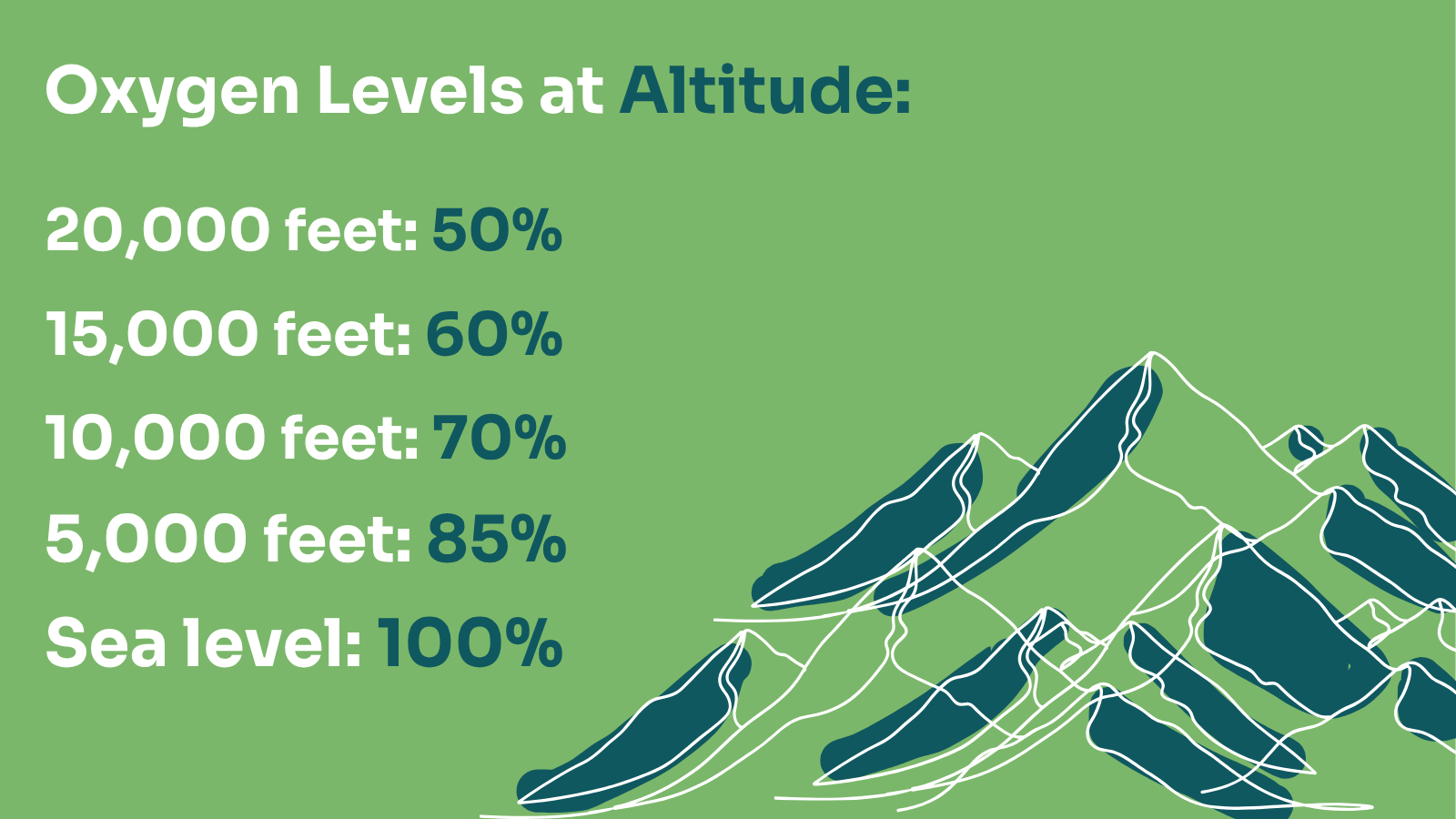
Altitude sickness often starts at elevations above 8,000 feet, but some people may experience symptoms at lower elevations depending on their health, activity level, and how quickly they ascend.
Common examples include:
- Mountain vacations
- Ski trips
- Hiking trips
- National park travel
- International travel to high-elevation destinations
What Are the Symptoms of Altitude Sickness?
Symptoms can range from mild to severe.
Common altitude sickness symptoms include:
- Headache
- Nausea
- Vomiting
- Dizziness
- Fatigue
- Loss of appetite
- Trouble sleeping
- Shortness of breath
Symptoms often start within the first 6 to 24 hours after arriving at a higher elevation.
If symptoms worsen or become severe, it can become a medical emergency.
How Do You Prevent Altitude Sickness?
The best treatment is prevention.
Here are some of the best ways to lower your risk.
Ascend Gradually
If possible, avoid climbing too high too quickly.
Giving your body time to adjust can significantly reduce symptoms.
A slower ascent is especially important if you’re traveling above 8,000 feet.
Stay Hydrated
Dehydration can make altitude symptoms worse.
Drink water consistently before and during your trip—especially if you’ll be active outdoors.
Avoid Alcohol Early
Alcohol can worsen dehydration and affect sleep, which may make symptoms feel worse during the first few days at elevation.
Eat Regularly
Your body needs fuel to adjust.
Skipping meals can contribute to fatigue and nausea.
Talk to a Medical Provider Before You Go
If you’ve had altitude sickness before—or you’re traveling to very high elevations—it’s worth talking to a provider before your trip.
At Indigo Urgent Care, our providers can help assess your risk and discuss prescription options that may help prevent altitude sickness.
Can You Get a Prescription for Altitude Sickness?
Yes—prescription medications may help in certain situations.
Depending on your travel plans, medical history, and elevation goals, a provider may recommend medication to help reduce your risk or manage symptoms.
This is especially helpful for travelers who:
- Have had altitude sickness before
- Are traveling quickly to high elevations
- Have limited time to acclimate
- Are planning strenuous activity at elevation
If you’re unsure whether medication makes sense for your trip, Indigo Urgent Care can help you decide.
Getting ahead of symptoms before your trip can make all the difference.
When Should You Seek Care for Altitude Symptoms?
Mild symptoms may improve with rest, hydration, and slowing down.
But you should seek medical care if you have:
- Severe headache
- Persistent vomiting
- Trouble breathing
- Chest tightness
- Confusion
- Trouble walking
- Extreme fatigue
These can be signs of more serious altitude illness.
If symptoms start before your trip—like dehydration, nausea, or dizziness—it’s also a good idea to get checked out before traveling.
Travel can make existing symptoms worse.
Planning a Mountain Trip? Prepare Before You Go.
Whether you’re headed to the mountains for hiking, sightseeing, or a summer getaway, altitude sickness is one of the most common travel health concerns—and one of the easiest to plan for.
A quick visit to Indigo Urgent Care can help you:
- Understand your altitude sickness risk
- Get advice on prevention
- Discuss treatment options
- Get prescriptions when appropriate
Planning ahead means fewer surprises once you arrive.
And if altitude symptoms show up before or after your trip, we’re here to help.
Explore our full travel health guide for more tips on staying healthy during summer travel, including traveler’s diarrhea, motion sickness, and travel-related nausea.
Travel with confidence this summer. Get ahead of altitude sickness with Indigo.
For more ways to stay healthy while you travel, explore our full library of travel health blog topics. From altitude sickness and motion sickness to common concerns like traveler’s diarrhea, you’ll find practical tips to help you prepare. A little planning can go a long way toward making your trip smoother, safer, and more enjoyable.