No one wants to spend their vacation scouting for the nearest bathroom.
But traveler’s diarrhea is one of the most common travel-related illnesses—especially during international travel. And while it’s not exactly the souvenir anyone wants to bring home, it’s something many travelers experience at some point.
A little planning can go a long way.
Knowing how to prevent traveler’s diarrhea—and what to do if symptoms start—can help you stay on track and enjoy your trip with fewer interruptions.
At Indigo Urgent Care, we make it easy to get care when you need it—including before you travel. If you’re heading out of the country or visiting a destination where food or water safety may be a concern, our clinicians can help you prepare, offer prevention advice, and prescribe medications when appropriate so you can travel with more confidence.
Here’s what to know before you go (no pun intended).
What Is Traveler’s Diarrhea?
Traveler’s diarrhea is a digestive infection that happens when you consume food or water contaminated with bacteria, viruses, or parasites.
It’s most common during international travel, especially in areas where food handling practices or water and sanitation standards differ from what your body is used to.
Even if the food looks fine (and tastes great), your stomach may have other opinions.
Traveler’s diarrhea can happen anywhere, but is more common when traveling to:
- Parts of Latin America
- Africa
- The Middle East
- Asia
Traveler’s diarrhea is more common in these regions primarily due to differences in sanitation, water quality, food handling practices, and exposure to unfamiliar pathogens.
It’s especially common during vacations where eating local foods is part of the experience.
And honestly? That’s part of the fun. It just helps to be smart about it.
What Are the Symptoms of Traveler’s Diarrhea?
Symptoms usually start suddenly and can range from mild to miserable.
Common symptoms include:
- Frequent loose stools
- Urgent trips to the bathroom
- Stomach cramping
- Bloating
- Nausea
- Vomiting
- Low-grade fever
- Dehydration
For most people, symptoms improve within a few days.
But dehydration can become serious—especially if you’re losing fluids quickly in hot weather.
How Do You Prevent Traveler’s Diarrhea?
Good news: prevention is often easier than treatment.
Here are some simple ways to lower your risk.
Be Careful with Water
In some destinations, tap water may not be safe for drinking.
That includes:
- Drinking water
- Ice cubes
- Brushing your teeth
- Washing produce
Stick with bottled, filtered, or purified water when traveling internationally.
If you can’t verify the water source, skip it.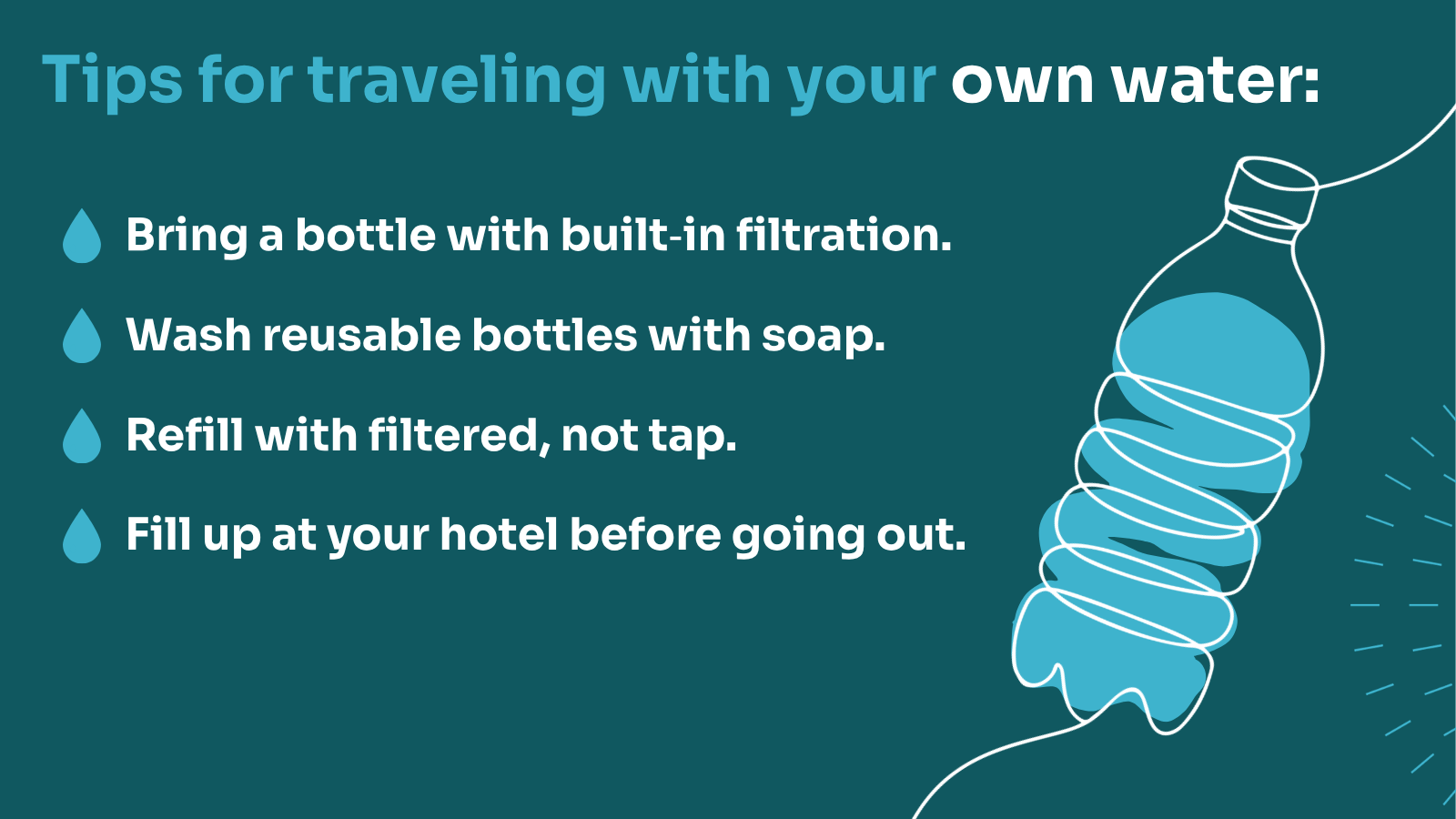
Watch What You Eat
A good rule of thumb:
Boil it, cook it, peel it—or pass on it.
Try to avoid:
- Raw seafood
- Undercooked meat
- Unwashed fruits and vegetables
- Unpasteurized dairy
- Food that has been sitting out
Freshly cooked hot foods are usually your safest bet.
Wash Your Hands
Simple, but effective.
Wash your hands regularly—especially before eating.
Hand sanitizer is a good backup when soap and water aren’t available.
Pack the Right Medications
Having travel-friendly stomach relief on hand can make a big difference.
Consider packing:
- Anti-diarrheal medication
- Electrolyte packets
- Anti-nausea medication
- Prescription medications if recommended
At Indigo Urgent Care, we can help you plan ahead and discuss prescription options based on your destination and travel plans.
Should You Take Medication Before Traveling?
In some cases, yes.
Depending on where you’re going and your health history, a clinician may recommend medications to bring with you—especially if you’re traveling somewhere remote or have limited access to care.
This can be especially helpful for:
- International travelers
- Cruise travelers
- Travelers with sensitive stomachs
- Families traveling with kids
Planning ahead can help you act quickly if symptoms start.
And when your itinerary includes a food tour, street food market, or all-inclusive buffet, being prepared is never a bad idea.
What Should You Do If Traveler’s Diarrhea Starts?
First: don’t panic.
Most cases improve with rest and hydration.
Focus on:
Fluids First
The biggest risk is dehydration.
Drink:
- Water
- Electrolyte drinks
- Oral rehydration solutions
Small, frequent sips are often easier if nausea is involved.
Eat Simple Foods
Stick to bland foods if you’re able to eat.
Think:
- Toast
- Rice
- Bananas
- Crackers
Skip greasy, spicy, or heavy foods until your stomach settles.
Rest
Travel plans can wait.
Your body needs time to recover.
When Should You See a Medical Provider?
Traveler’s diarrhea can usually be managed at home—but there are times when medical care is important.
Seek care if you have:
- Signs of dehydration
- Severe stomach pain
- High fever
- Blood in your stool
- Persistent vomiting
- Symptoms lasting longer than a few days
And if symptoms start before your trip? Don’t wait.
Traveling while already dehydrated or nauseated can make everything worse.
Planning International Travel? Prepare Before You Go.
Traveler’s diarrhea is common—but it doesn’t have to derail your trip.
A quick visit to Indigo Urgent Care before you travel can help you:
- Understand your destination risks
- Get prevention advice
- Build a travel health plan
- Discuss medications and prescriptions when appropriate
And if stomach issues show up before or after your trip, we’re here to help.
For more summer travel health tips, explore our complete travel health guide and learn about other common travel concerns like altitude sickness, motion sickness, and travel-related nausea.
Because the best travel stories are the ones you tell—not the ones your stomach tells for you.
Travel with confidence this summer. Get ahead of travel health issues with Indigo.